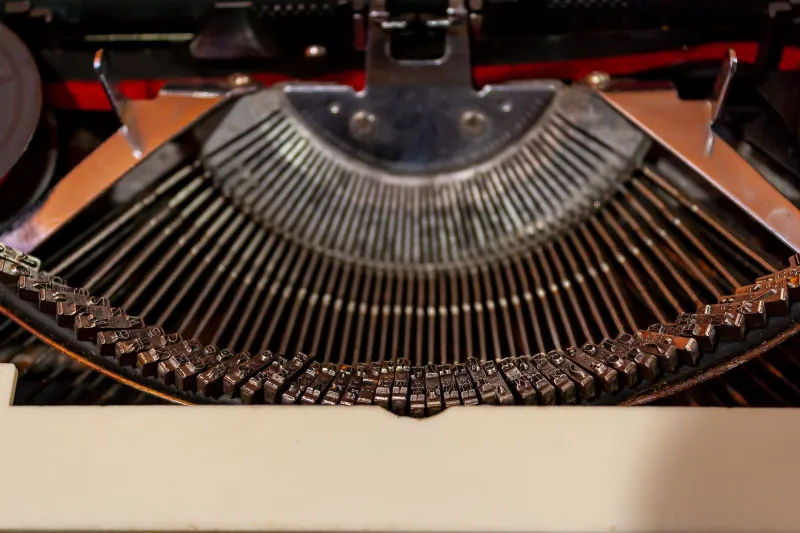
Calendar Crunch: The 2027 Jikji Anniversary Is Coming Whether American Museums Are Ready or Not
Photo: MBH, CC BY 4.0, via Wikimedia Commons
In museum work, the calendar is never a neutral document. It is a statement of priorities. By November 2026, the 650th anniversary of Jikji is no longer a distant historical marker. It is a scheduling problem. The book was printed in 1377 in Cheongju, Korea, and is widely recognized as the oldest extant book printed with movable metal type. The anniversary falls in 2027. For American museums, university galleries, and public libraries, the next few months will determine whether that anniversary becomes a thoughtful public program or a missed opportunity.
The Calendar Is the First Curatorial Decision
Exhibition slots for late 2027 are already tight at larger institutions. Loan requests often require a year or more of lead time, especially for works on paper. Couriers, climate conditions, security arrangements, and insurance must be negotiated well before installation. Even a modest display of facsimiles and borrower materials requires label writing, accessibility review, and marketing.
That does not mean every institution needs a blockbuster. It means every institution needs a decision. A library display, a single-case exhibition, a lecture series, or a teacher workshop can be planned within months if the scope is clear. The risk is not failure. The risk is drifting into 2027 with no plan at all.
Who Is Already Booking
Museums with established Korean art collections and university galleries with East Asian studies programs are the most likely to have Jikji-related programming in motion. Their advantage is not simply money. It is institutional knowledge: relationships with Korean cultural organizations, familiarity with Hangul and Korean bibliography, and experience handling printed materials.
Korean American cultural centers and community organizations are also moving. In several U.S. cities, libraries and community groups have begun discussing reading circles, calligraphy demonstrations, and digital presentations tied to the anniversary. These programs often reach audiences that traditional museums do not.
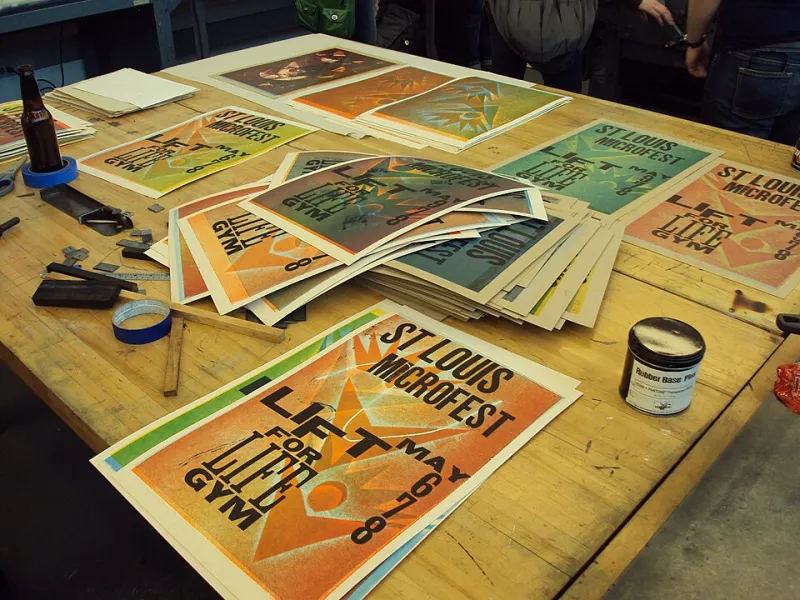
Some smaller institutions are finding ways to participate through partnerships. A local history museum might not own a Korean printed artifact, but it can borrow a facsimile, host a Korean studies scholar, or pair a display with a letterpress demonstration. The key is to start with a clear interpretive question rather than an object list.
The Small-Institution Playbook
A thoughtful Jikji program does not require a blockbuster budget. It requires focus. The first option is a facsimile and reading-room display. A high-quality reproduction of Jikji, accompanied by labels explaining the 1377 context and the book's survival, can be effective in a library or archive. The second is a traveling panel exhibition, developed by a larger institution or cultural organization and rented at modest cost.
The third is a public program series. A lecture by a Korean studies scholar, a workshop on Korean paper and printing, or a film screening can draw audiences without requiring gallery space. The fourth is a K-12 teacher workshop, especially in states with Korean language or Asian studies curricula. Teachers need reliable materials, and museums can provide them.
The fifth is a digital exhibition. A small museum can publish a focused online essay, a timeline, and a short video interview with a conservator or historian. This is not a substitute for physical display, but it can extend reach and create a permanent resource.
The Risk of Remembering Late
Late planning has costs. It narrows loan options. It pushes programs into less desirable dates. It can lead to label text that repeats oversimplified claims, such as treating Jikji merely as a Korean answer to Gutenberg. A rushed program may still attract visitors, but it is less likely to serve teachers, students, and communities who need accurate context.
There is also a credibility issue. Institutions that hold Asian collections but ignore a major anniversary may signal that those collections are peripheral. That signal matters to donors, scholars, and local communities.
A Practical November Checklist
For institutions still deciding, November 2026 is a workable moment. Define the scope: one case, one lecture, one workshop, or one digital project. Identify a partner: a Korean studies department, a cultural center, a conservation lab, or a library. Check loan and facsimile availability. Confirm internal approvals for labels, marketing, and events. Assign one person to manage the project, even if it is a small portion of their time.
Then put it on the calendar. The 650th anniversary will not wait for a committee to finish deliberating. The institutions that fare best will be those that treat 2027 not as a distant deadline but as a near-term editorial and programming commitment.