Seven Days in Cheongju: A Kentucky Teacher's Pilgrimage to the Book That Changed Her Classroom
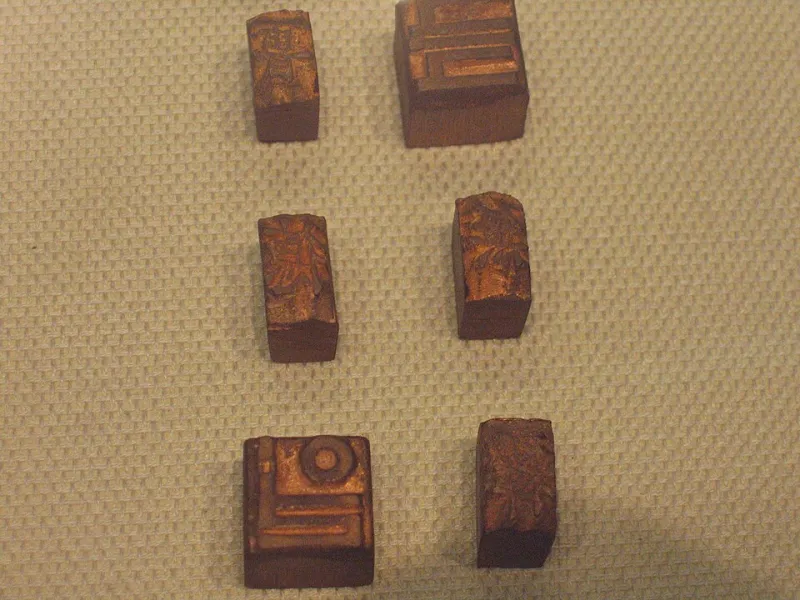
Photo: Ken Eckert, CC BY-SA 4.0, via Wikimedia Commons
I have taught world history in a Kentucky public high school for eleven years. For ten of them, I taught the invention of printing the way my own teachers had: Gutenberg, Mainz, 1455, the flood of books that followed. Then a colleague forwarded me an article about a Korean Buddhist text called Jikji, printed with movable metal type seventy-eight years before the Gutenberg Bible.
I remember sitting in the school parking lot after reading it, embarrassed. Not because I had been negligent—because no one had ever told me. I decided my students would not graduate with the same gap in their understanding. What followed was a semester of rebuilding my printing unit, and, eventually, a decision that surprised even me: I needed to see the book's home with my own eyes.
Crowdfunding a Pilgrimage
I am not a wealthy traveler. My district does not fund professional development abroad. So I did what teachers do: I asked. A small online campaign—shared by former students, parents, and strangers interested in printing history—covered airfare and lodging for a week in South Korea, timed to a period when the Cheongju Early Printing Museum offers extended public programming.
What the Museum Gave Me That No Facsimile Could
Standing in Cheongju, I understood something I could only gesture at in class. The museum sits amid reconstructed workshops where artisans cast type, prepare ink, and pull sheets on hanji paper. The demonstration is not theater; it is reconstruction, grounded in the evidence of Jikji itself.
Three things stayed with me:
- The paper. Hanji is nothing like European rag paper. Seeing sheets of it, feeling its strength, explained in seconds why Korean printing developed as it did.
- The scale of the type. Photographs flatten everything. In person, the reproduction casts convey how much labor a single page demanded.
- The pride of place. Cheongju treats Jikji not as a trophy but as a responsibility. That framing shaped how I now teach cultural heritage to my students.
Bringing Cheongju Back to Kentucky
I flew home with photographs, museum publications, and a rubbing of a hangul block made during a workshop. But the most useful souvenirs were free: the museum's digital resources, many of which any American teacher can access without a passport.
For educators who cannot make the trip, the path is shorter than you think. High-resolution facsimiles of Jikji's surviving volumes are available online. The Jikji Museum offers classroom-ready materials on the history of movable type in Korea. And a single lesson comparing Jikji (1377) with the Gutenberg Bible (1455) will change how your students understand the word "invention."
I teach the story differently now. I no longer say printing was invented in one place at one time. I say: humans in more than one civilization solved this problem brilliantly—and one of the finest answers we still hold came from Cheongju, in 1377, in a book called Jikji.