Pocket Change for a Civilization: The Troubling Math of How We Price Rare Books
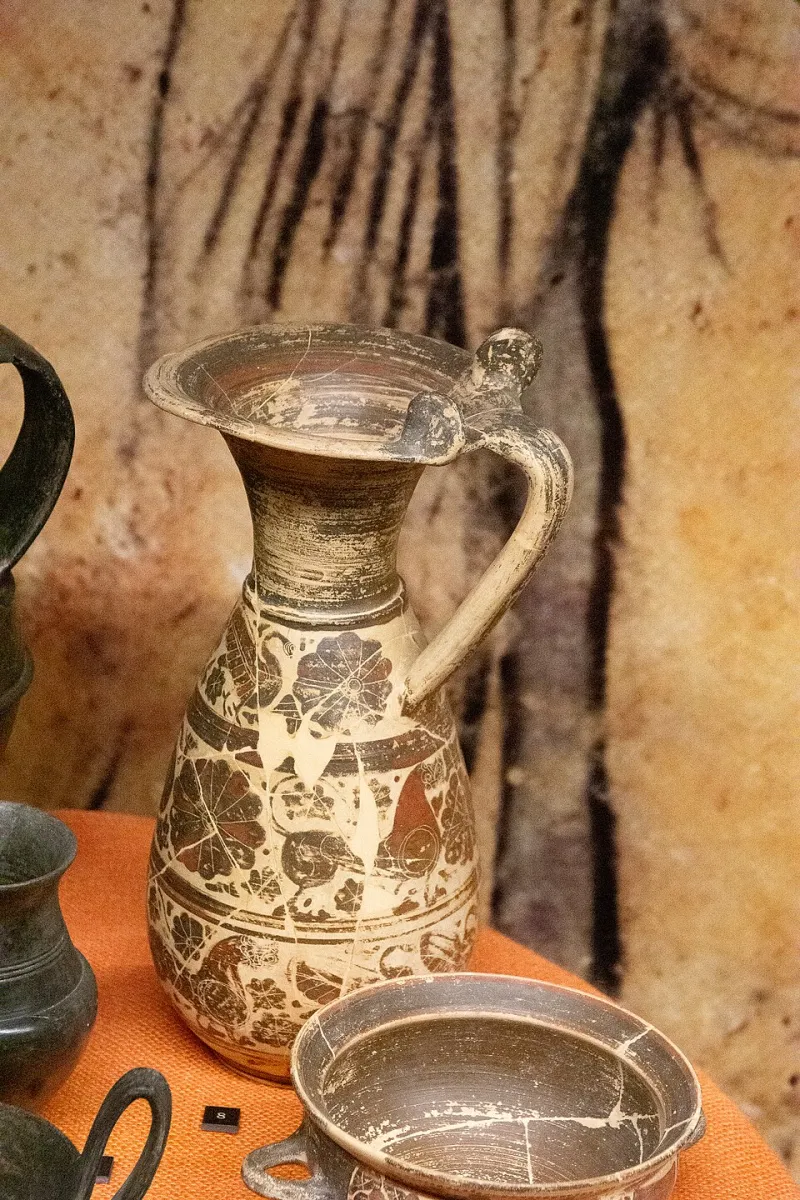
Photo: Dorieo, CC BY-SA 4.0, via Wikimedia Commons
Consider two transactions. In the first, a landmark of early printing is appraised for millions of dollars, its value calculated by rarity, provenance, and the appetite of collectors. In the second, a craftsman sells a reproduction of a historic type block—a faithful casting in the same metal, formed from the same logic—for four dollars.
Both objects embody the same achievement: the human solution to multiplying words in metal. Yet one carries the price of a house, the other the price of lunch. This is not simply a quirk of the market. It is a symptom of a framework that measures scarcity and celebrity while ignoring something harder to quantify: civilizational weight.
What the Market Sees—and What It Misses
The rare-book market is not irrational. It prices what is genuinely scarce: surviving copies, documented histories, unbroken chains of custody. Jikji itself illustrates the logic—only one copy of its second volume survives, held in Paris, and its singularity is precisely what makes it priceless in the literal sense.
But scarcity is a poor proxy for significance. A reproduction hangul block is not scarce, yet it carries the intellectual fingerprint of Goryeo foundries—the same fingerprint that made Jikji revolutionary. When we assign that object four dollars and the book it echoes eight figures, we are not measuring importance. We are measuring survivorship.
The Jikji Lesson: Value Is a Stewardship Question
Jikji's history is a case study in how fragile valuation can be. The book survived centuries of neglect, war, and near-anonymity; its printing colophon—the only evidence of its date and method—was nearly overlooked. For long stretches, no market existed for it at all. Its importance was established by scholarship, not auction.
This should unsettle American collectors and institutions alike. Objects of profound consequence can pass through eras valued at nothing, and objects of modest consequence can command fortunes. The market is a lagging indicator of significance, not a leading one.
Toward a New Framework
What would it mean to value the irreplaceable differently? A few principles worth adopting:
- Value the information, not just the artifact. A type block, a casting mold, a printing technique—all carry knowledge that deserves documentation and preservation regardless of price.
- Fund the unglamorous. Museums and collectors routinely invest in headline objects while the craft knowledge that produced them dies out. Supporting working artisans who keep these skills alive is conservation, too.
- Treat reproductions as ambassadors, not competitors. A four-dollar type block in a classroom may do more to secure the future of printing heritage than a locked vault ever will.
Jikji teaches that the objects which matter most are not always the objects the market prizes most. If American institutions take that lesson seriously, they will stop asking only what a thing is worth, and start asking what it carries—and who will be able to see it a century from now.